The Real Cost of Ignoring HVAC Maintenance
Most homeowners only think about their HVAC system when something stops working. By the time a furnace fails on the coldest night of the year or an AC unit gives out in July, the repair is rarely the cheap option. It is almost always the most expensive one. The truth is that skipping HVAC maintenance is not the cost-saving move it feels like. It is the bill that quietly grows in the background until something breaks, and then it shows up all at once.
Here is what that actually costs you, and what to do instead.
Why Routine HVAC Maintenance Matters More Than Most Homeowners Realize
Heating and cooling makes up roughly 40 to 50 percent of a typical home's energy use, which makes your HVAC system the single most expensive appliance in your house to run. It is also one of the most ignored. Filters get dirty, coils collect dust, refrigerant levels slowly drift, and electrical connections loosen over time, none of which announce themselves the way a leaking water heater or a broken oven would. The damage is gradual, which is exactly why it gets missed.
Routine HVAC maintenance is the only practical way to catch those issues while they are still small, before they affect your bill, your comfort, your warranty, and the system itself. A maintained HVAC system runs cleaner, lasts longer, costs less to operate, and is far less likely to fail when you need it most. Industry data also shows that consistent maintenance can reduce a system's energy consumption by up to 15 to 20 percent, which is real money over the lifespan of the equipment.
The Financial Cost of Skipping HVAC Maintenance
The financial damage of neglect builds in layers. The first layer is your monthly energy bill. A clogged filter or dirty coil forces your system to run longer to deliver the same heating or cooling, and that inefficiency typically grows by about five percent per year of skipped service.
The second layer is the system itself. A maintained HVAC system commonly lasts 15 to 20 years; a neglected one often fails by year 8 to 10, which means you pay to replace your equipment nearly a decade early. Full residential system replacement typically runs $8,000 to $15,000, a cost most homeowners would rather defer than accelerate.
The third layer is the warranty. Most manufacturer warranties require documented annual maintenance to remain valid, so when a major component fails on a system that has not been serviced, the cost lands entirely on you. A failed compressor caught early during a tune-up may only cost a few thousand dollars to address; the same component failing without warranty coverage can be the trigger that pushes you into a full system replacement.
The final layer is what happens at the moment of failure. Emergency HVAC repairs typically cost two to three times more than a scheduled visit, because emergency HVAC service comes with after-hours pricing, expedited parts, and a contractor who has to drop everything to be there. There is also the industry rule of thumb known as the $5,000 rule: if the estimated repair cost multiplied by the age of your system exceeds $5,000, replacement is usually the more sensible move. Skipped maintenance is often the reason that math tips toward replacement years earlier than it should.
The Health and Safety Cost of an Unmaintained HVAC System
The costs you cannot see on a bill are often the ones that matter most. An unmaintained HVAC system circulates whatever has built up inside it, which means dust, mould spores, pollen, and pet dander all end up in the air your family breathes every day. For anyone with allergies, asthma, or respiratory sensitivity, that air quality drop is felt immediately.
The safety side of HVAC neglect is more serious. A furnace with a cracked heat exchanger can leak carbon monoxide. A gas connection that has not been inspected can fail, which is why proper gas fitting and inspections are part of every full maintenance visit. A worn electrical component in an older system can pose a real fire risk. Routine HVAC maintenance includes the safety checks that catch all of these before they become emergencies.
How HVAC Neglect Hurts Your Home Itself
A neglected HVAC system does not just lose efficiency. It changes how your home feels and what it is worth. Rooms heat or cool unevenly because the system can no longer move air the way it should. That is a common reason homeowners across Surrey and Langley end up booking AC repair service or full furnace work that could have been avoided with regular service.
Ductwork accumulates dust and obstructions, which puts strain on every other connected component. Over time, an unmaintained HVAC system stresses the electrical panel, drives up humidity in unexpected places, and shortens the life of related equipment like water heaters and air handlers.
There is also the resale conversation. Buyers and inspectors notice when a system has not been serviced, and a missing maintenance history is a common reason offers come in lower or fall through entirely. The home itself takes the hit, not just the equipment inside it.
How Often You Should Service Your HVAC System
The simple answer is once a year, at minimum. The better answer is twice a year, with one service in spring before the cooling season starts and one in fall before the heating season begins. That schedule lines up with how the system is actually used and catches issues before peak demand exposes them. If your system is more than ten years old, runs constantly, or supports a larger home, twice-a-year service is no longer optional. Skipping a year is rarely the actual problem. Skipping several is what creates the costs in this article.
In between professional visits, change your air filter every one to three months. It is the single highest-impact thing a homeowner can do without a technician on site.
What a Proper HVAC Maintenance Service Should Include
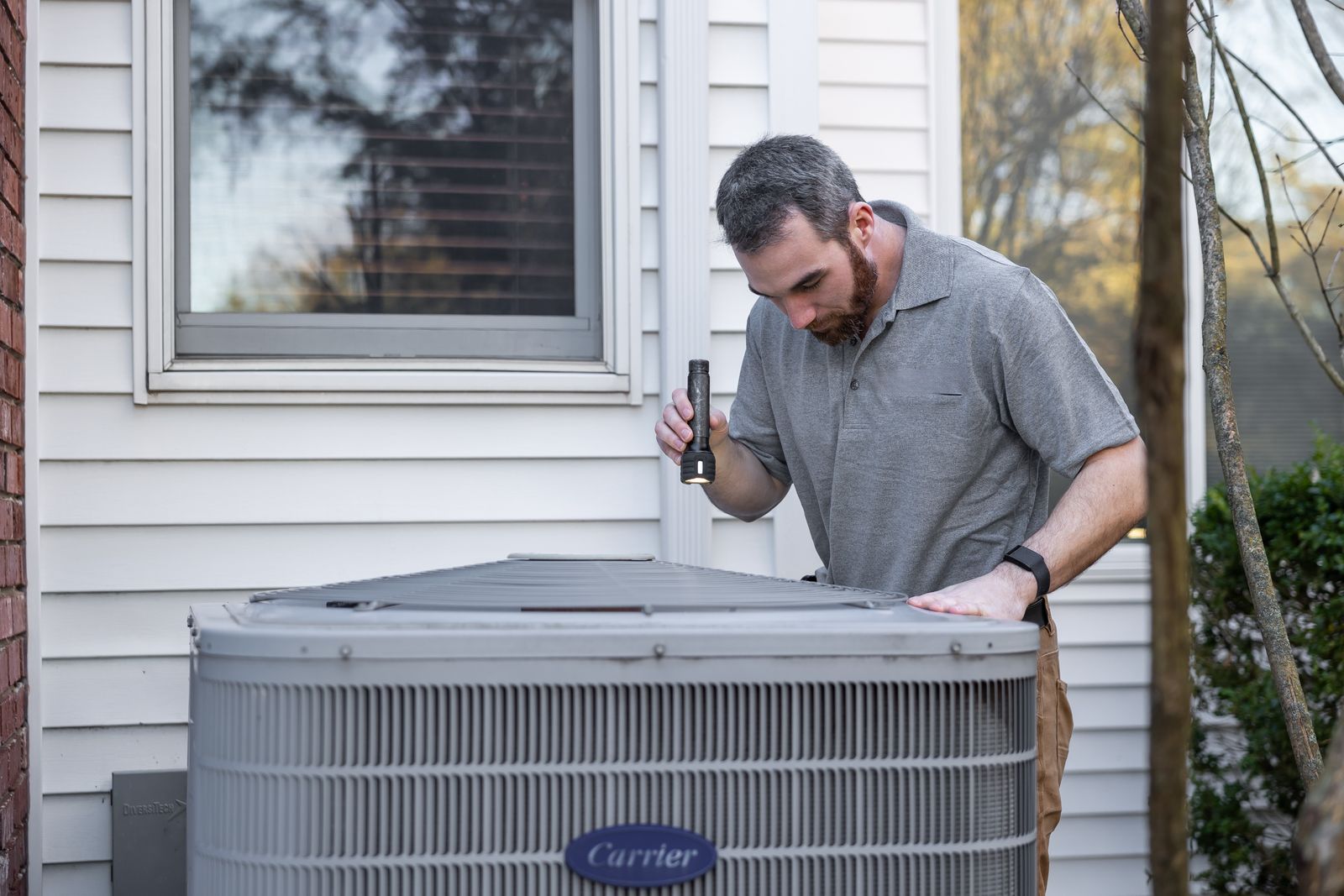
Not all HVAC maintenance services are the same. A proper visit takes 60 to 90 minutes and covers the full system, not just a filter swap. At a minimum, expect:
- Filter inspection and replacement
- Coil cleaning, both indoor and outdoor
- Refrigerant level and pressure check
- Blower motor and fan inspection
- Thermostat calibration
- Electrical connection tightening and testing
- Drain line clearing
- Combustion and heat exchanger inspection (furnace)
- Carbon monoxide and gas leak check
- Safety control verification
- Written report of what was inspected and any concerns identified
If your contractor cannot show you a checklist of what is included, that is a sign the service is not a full one. The written report is also what protects your warranty and helps at resale. If your system is approaching the end of its lifespan, this is also when a technician will flag whether it is worth investing in a heat pump installation rather than continuing to repair aging equipment.
How to Get Ahead of These Costs Before They Catch Up to You
Staying ahead of HVAC neglect is not complicated. It comes down to three things. Book your annual service before peak season starts, because availability tightens quickly in summer and winter across the Lower Mainland. Choose a contractor who provides a written checklist of what was inspected and what was found, not just a general invoice. And keep your maintenance records on file, because they are what protects your warranty if a major component fails and what reassures a buyer if you ever sell the home. Done consistently, this is the least expensive form of HVAC ownership available.